Latest
3 ways to overcome fear of failure + finally get what you want
Peak Performers newsletter

Tiffany Uman
·
Dec 1, 2025
Fear of failure is one of the most common reasons women stay stuck, often without even realizing it.
It convinces you that staying where you are is safer than stretching to your potential.
And worse, it often shows up quietly:
You hold back a strong idea because you’re worried it’s not polished enough.
You draft an email 5 times before sending it because you don’t want to get it wrong.
You talk yourself out of applying for a role you’re fully qualified for because you’re not "ready yet."
You stay in a job you’ve outgrown because the next move feels risky.
This fear doesn’t just slow your growth. It shapes how leaders see you. Not because they think you’re incapable, but because your hesitation gets mistaken for lack of confidence.
But failure isn’t the thing holding you back. It’s the anticipation of failure (ex. the imagined stories of everything that could go wrong) that keeps you from taking the steps that actually change your career.
When you shift your relationship with failure, everything opens up.
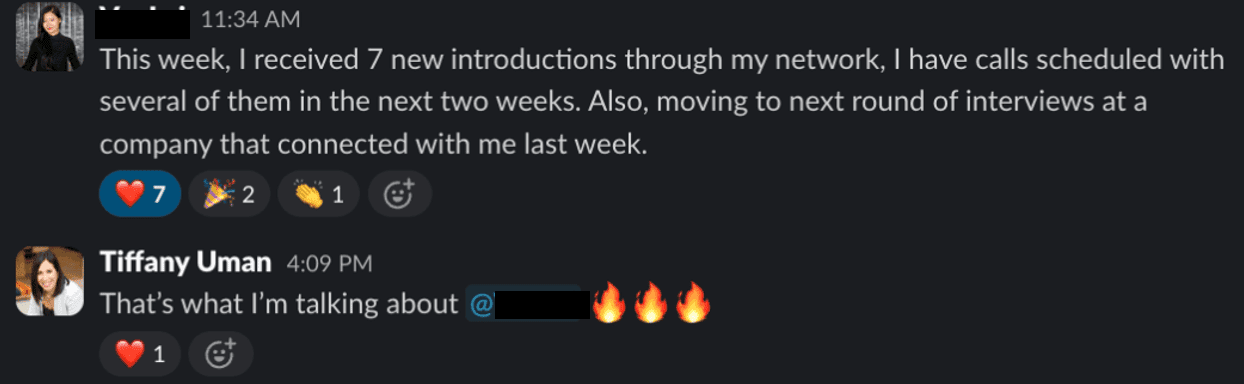
This is exactly what I supported my client on recently to overcome her fear of failure in networking. Through this, she learned how to put herself out there towards new opportunities proactively. In the past week alone, she's already received 7 new introductions through her network and has calls scheduled with them. Plus, she's fast tracked an interview process she never applied to from these efforts.
As we approach a new year together, I want you to walk in with the mindset, tools, and scripts to stop letting fear get in the way. Here's how.
3 ways to overcome the fear of failure
1. Reframe failure as feedback
Most women in corporate don’t fear failure itself but fear what failure means about them.
Because for years, you’ve been conditioned to believe:
• One mistake = a credibility hit.
• One misstep = a reputation risk.
• One imperfect answer = a sign you’re not ready for more.
Failure doesn’t define you. It informs you, and this feedback is the fastest way to grow. So do this:
→ Reframe your thoughts. Here's a few quick examples to inspire from.
Instead of: "I messed this up and my leaders will think I’m not capable."
Tell yourself: "This shows me exactly where to refine my process next time."
Instead of: "What if this doesn’t work?"
Tell yourself: "What insight will this give me that I can use in the next round?"
Instead of: "I should have known better."
Tell yourself: "I learned something I didn’t know before."
→ Deconstruct successful failures: Look back at past experiences where failure eventually led to a positive outcome. Break down the steps that turned it around and apply that thinking proactively to current challenges. If you did it before, the proof is there that you can do it again.
→ Adopt experimentation language: Shift how you talk about risks or new initiatives by framing them as experiments instead. For instance:
Replace "I hope this works" with "Let’s test this approach and see what we learn."
Replace "I can’t afford to fail" with "What insights can I gain from trying this now?"
Instead of "I’m not good at this," think, "I’m stretching my skills to grow in this area."
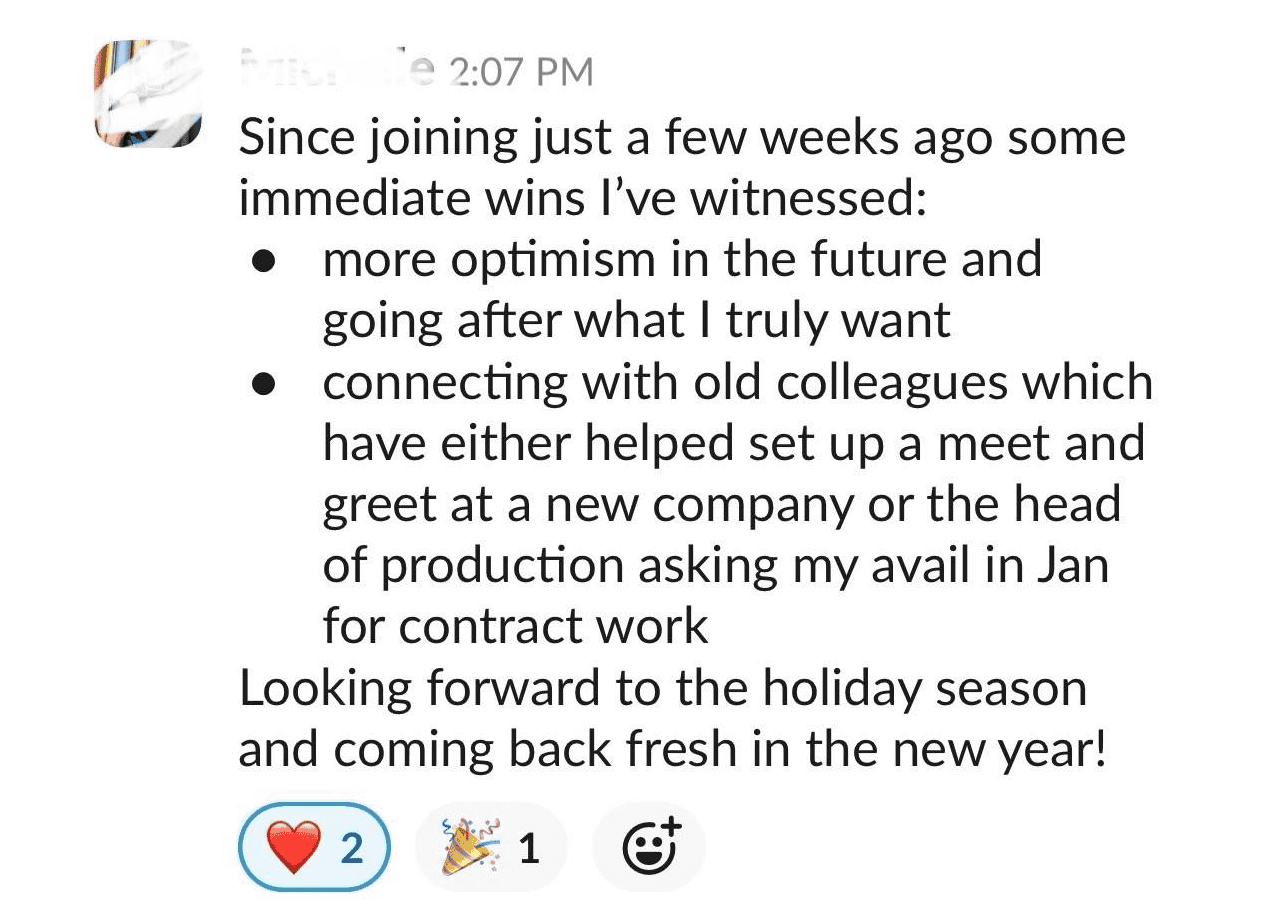
This was the case for one of my clients who previously struggled with her fear of failure. Instead of letting it stand in her way again, she decided to take action towards her goals of transitioning to a new work environment and gained immediate traction in doing so.
2. Build confidence through small wins
Women hear "be more confident" constantly, but it's not always so intuitive. Confidence is something you build through repetition, proof, and small acts of courage that reinforce you can trust yourself and that you've done hard things before.
And yet, too many women discount their wins as no big deal, while magnifying every gap, mistake, or flaw. So let’s change that.
→ Break your goals into bite-sized steps: Take large, intimidating tasks and divide them into smaller, more manageable pieces. Completing even a single step can create momentum. For example, if leading a major project feels overwhelming to you, start by outlining the key milestones and completing just one at a time. Remind yourself "I don’t have to finish everything today. I just need to tackle this one step."
→ Create a daily wins and gratitude list: At the end of each day, jot down 2-3 accomplishments, no matter how small. This builds a habit of focusing on progress over perfection. Perhaps this is scheduling a key meeting on the calendar with your C-level team, or resolving a team issue that's been lingering for weeks.
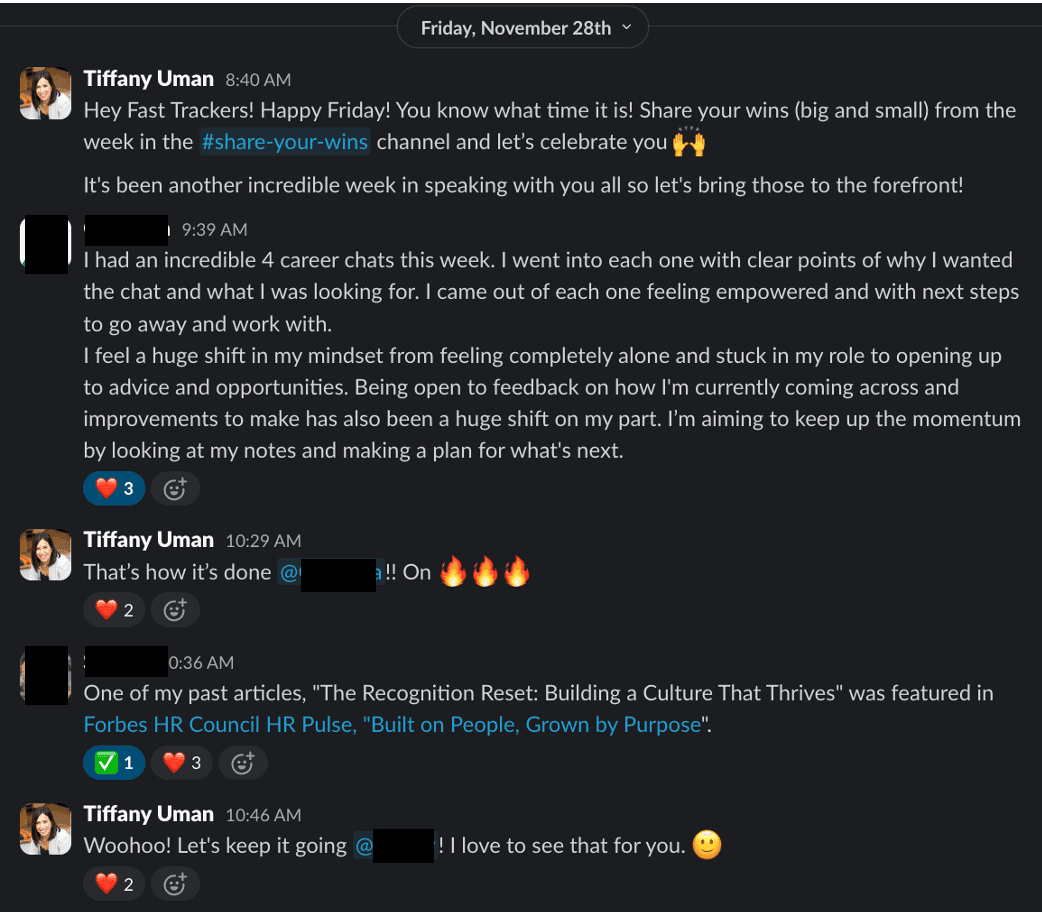
This is exactly what I coach my clients to do each week in celebrating their progress, wins and momentum. Not only are they encouraged to own it, but it builds their self-advocacy of getting comfortable doing new things and seeing immediate results from those efforts.
→ Celebrate incremental successes: Reward yourself when you hit a milestone, even if it’s part of a larger goal. This helps to maintain your motivation and momentum. For example, if you've finished a challenging project or report, take a short walk, journal about it or treat yourself to something you enjoy.
→ Focus more on your gains, not just the gaps: Periodically look back at how far you’ve come in a project or your career. Compare your skills and achievements now to where you were a year ago. This often shows that even if you're not where you wanted to be yet, you're still miles ahead of where you were when you started. Small, repeated successes create forward movement, reminding you that progress is possible, even in the face of fear.
[Check out my free LinkedIn Learning nano-course on How to Advocate for Yourself in Your Career]
3. Plan for mistakes
Fear of failure often stems from the fear of making mistakes. That said, mistakes are inevitable and a natural part of risk-taking, so planning for them can reduce the emotional weight they hold over you.
Here's a few steps to put this into action:
→ Conduct pre-mortems: Before starting a project, list all the potential things that could go wrong and proactively brainstorm solutions. This proactive approach helps you anticipate and mitigate risks better.
"What are the 3 most likely challenges we might face with this initiative, and how can we address them upfront?"
Pro tip: Do this before meetings with your boss or senior leaders to anticipate their possible objections or questions ahead of time. This way, you can best prepare for them without being thrown off in the moment.
[Check out my latest video on how to look good in front of your boss]
→ Develop contingency plans: For high-stakes tasks, create a plan B and even a plan C. Knowing you have alternatives can ease the pressure while also showcasing your solution-oriented mindset. You can also remind yourself that even if plan A doesn't work out, you're already prepared and ready to pivot.
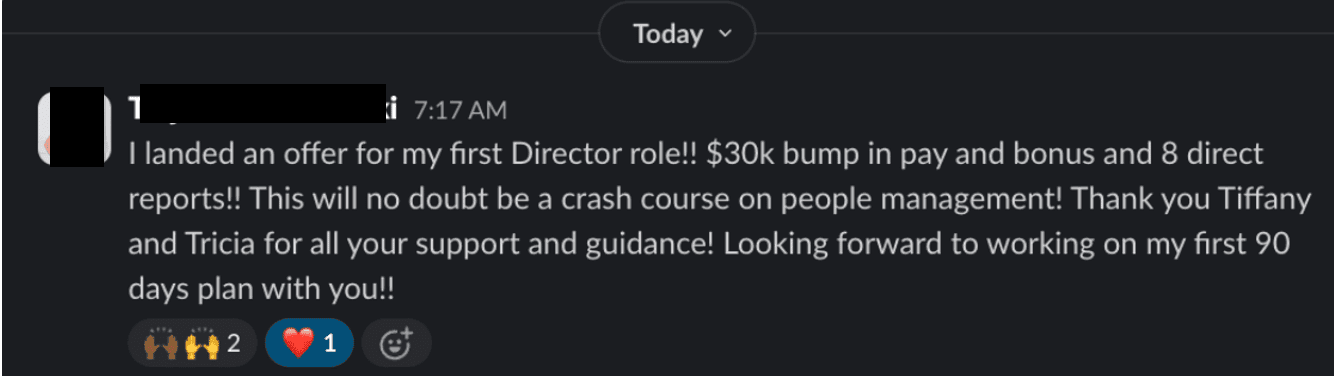
This approach helped my client in making a pivot in her company where she landed her Director promotion and a $30K raise after being stuck at Senior Manager for 8 years. Together, we created contingency plans that opened up new paths for growth that accelerated her promotion track within just 6 weeks of working together.
→ Practice playing out worst-case scenarios: Visualize how you would handle things if it did go sour. This builds confidence in your ability to recover quickly. For example, imagine a presentation going off-track or getting overtaken by strong opinions from others, and rehearse how you’d redirect it calmly.
"I appreciate your interest on this topic as well. That said, I want to be cognizant of the time we have left and I still have a few key points to cover that are essential for getting the needed approval. As soon as I finish sharing that, we can come back to your points if I haven't already addressed them. Does that work?"
→ Normalize mistakes with your team: Share lessons from your own mistakes to show vulnerability and openness. This will help empower your team to experiment and take more chances together. My golden rule: It's ok to make mistakes, just make sure you don't make the same mistake twice.
"I want to flag a quick lesson I learned from this. I realized [share more on the misstep] and here’s how I’m adjusting it for next time. I'm sharing this so we can all learn from it too."
Pro tip: This can be transformed into internal best practices of "what not to do" for future projects to bring more efficiencies to the broader teams.
You've got this!
Free Peak Performers newsletter
Practical career tips that actually work.
Every Monday and Friday, get easy-to-use strategies and scripts to land better roles, faster promotions and more growth (and look great in front of your boss).
100% free • unsubscribe anytime.