Latest
What executives say about reliable women behind closed doors
Peak Performers newsletter

Tiffany Uman
·
Mar 2, 2026
Let me guess.
They call you the pillar. They say you’re invaluable to the team. In your performance reviews, they use words like dependable, consistent, and the glue that holds the team together.
You take it as a compliment. You think it means you’re the obvious choice for the next Director-level opening. After all, who else has put in the hours, fixed the fires, and delivered the results you have?
But behind closed doors, when succession plans are on the table, the conversation sounds very different.
I’ve been in those rooms. When your name comes up, executives don't talk about your hard work as a reason to move you up. They use it as a reason to keep you where you are.
They say: "She’s too good where she is. If we promote her, the whole department will fall apart. We can’t afford to lose her in the day-to-day."
You’ve become so essential to the execution that they can't easily imagine you in leadership. And you aren't being promoted because you've made yourself impossible to replace.
The problem isn’t your talent or your work ethic. It’s the belief that being reliable eventually translates into being promotable.
It doesn't.
What gets you noticed by execs isn't being the go-to fixer. It's showing up as a strategic partner who sets direction, pushes back on low-value work, and makes an impact that goes beyond the tasks on your desk.
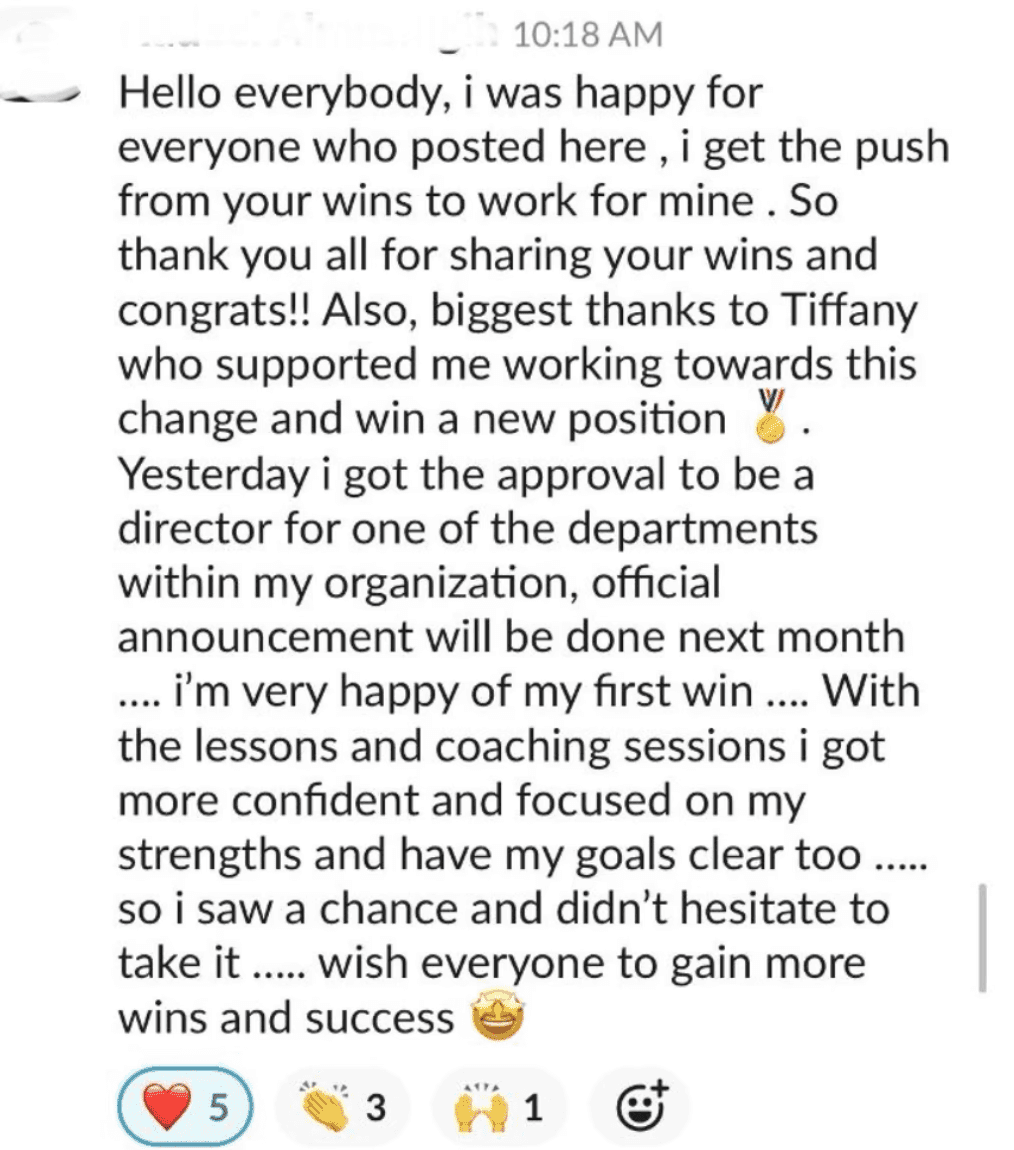
This was the exact situation my client was in. She had proven herself time and time again. She was the one everyone could count on. She was respected and trusted. But after 2 years of being the "reliable" one in her team, she was still stuck in the same role she had outgrown. Together, we moved her away from busy work to leveraged impact, increased her exposure to the right decision-makers, and repositioned her internal reputation as a strategic partner through 1:1 conversations I scripted for her. She went on to secure her Director-level promotion within a few short weeks.
5 habits that prove you’re a strategic partner, not just a fixer
1. Anchor your work to business impact (aka. stop being a task-taker)
Working hard only takes you so far and is often considered table-stakes. Showcasing your strategic impact gets you promoted and the way you communicate it also elevates your exposure for the right reasons.
Every deliverable should ideally tie back to revenue, efficiency, or growth.
Instead of simply saying "I finished the report on time."
Say "This report highlights where we can cut costs by 12% while scaling operations."
2. Say "no" like a leader (and protect your strategic capacity)
Leadership is about setting the right priorities and knowing when to say no.
By pushing back on non-value added busy work, you're able to set a new precedent for yourself that actually garners more respect.
Saying no with context shows discernment, not resistance.
Instead of immediately committing with "Sure, I’ll take that on too."
Try, "That’s a great idea. To hit our Q1 goals, I need to stay focused on our current revenue priorities as this will take me through the next few weeks. Could we revisit this next month?"
3. Claim leadership moments early (don't wait for permission)
Don’t wait until you’re promoted to act like a leader.
You don't need a certain title to showcase your people leadership skills. This can come through your day-to-day actions in how you influence, inspire and empower those around you.
Step forward before you're ready, even if it feels uncomfortable.
"I’d like to lead the kickoff for this project. It’s a big jump from my current scope, but I believe my recent experience on [X project] has set me up well for this. I'd also love to join in on our conversations with leadership around the outcomes on this. Can I get your support on that?"
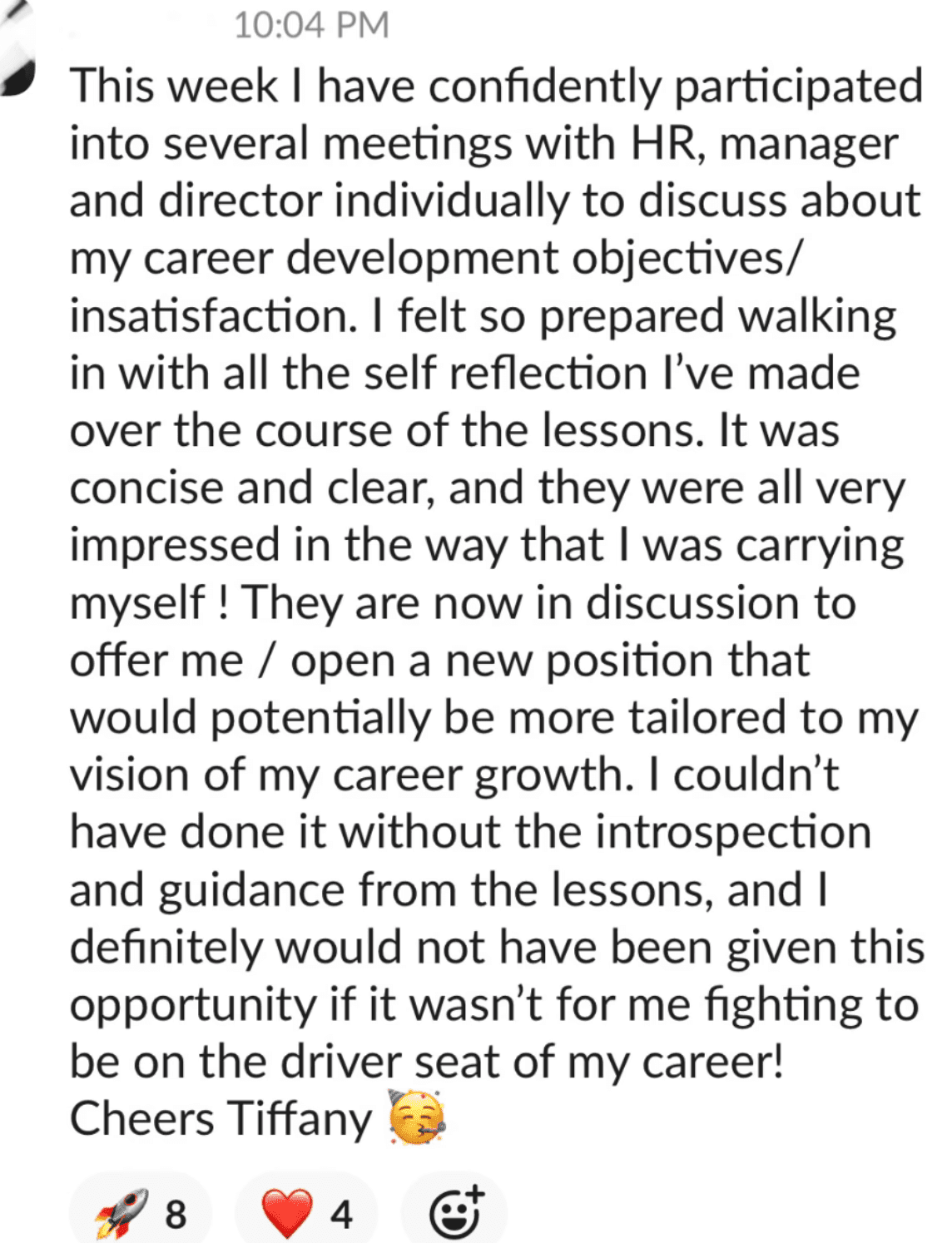
This is a key area I supported my client on who had taken on more work during key restructures in her company. She struggled with advocating for herself and worried it would sound like bragging. Instead, she hoped her work would just speak for itself. This all played against her. Together, we fast-tracked her promotion path within weeks by role-playing owning her wins, building true advocates (not just good relationships) and saying the right things to the people who influenced internal moves.
[Check out my free LinkedIn Learning nano-course How to Advocate for Yourself in Your Career]
4. Ask proactive, intentional questions (anticipate the next fire)
Asking thoughtful questions that move key decisions forward positions you as a strategic thinker. It's not just about being getting things done, but always thinking a few steps ahead to anticipate needs proactively.
“Before we move forward, what problem are we really solving? I sense things are getting off track and I want to ensure we're still keeping in mind [X goal] which was our initial vision for this project."
Here's a few other of my favorite guiding questions:
What’s the ultimate outcome we’re driving toward with this?
How does this align with our broader business goals?
If we had to prioritize only 1 thing here, what would it be?
What’s the risk if we don’t address this now?
What data or feedback do we still need before we decide?
How will success be measured on this project?
Who are the key stakeholders we need aligned before moving forward?
What potential roadblocks do you foresee coming up if we don't do/fix X?
[Check out my YouTube training on how women with executive presence get promoted faster]
5. Build alignment, not just buy-in (and become a connector)
Workhorses execute instructions. Instead, unite people around a shared outcome.
Gaining alignment is about pulling the right people in before decisions are made so they feel ownership in the solution. It also prevents resistance down the road and positions you as a connector who sees across the business, exactly what leaders are trusted to do.
"I organized a kickoff meeting for marketing, sales, and ops to avoid prior tensions from our last project and map out a clear plan together."
Pro tip: Pre-vet your recommendations ahead of executive meetings with influential stakeholders. Not only does this build more allies for you in the meeting itself from doing your due diligence, but it allows you to proactively address objections or considerations you wouldn't have factored in on your own.
You've got this!
Free Peak Performers newsletter
Practical career tips that actually work.
Every Monday and Friday, get easy-to-use strategies and scripts to land better roles, faster promotions and more growth (and look great in front of your boss).
100% free • unsubscribe anytime.